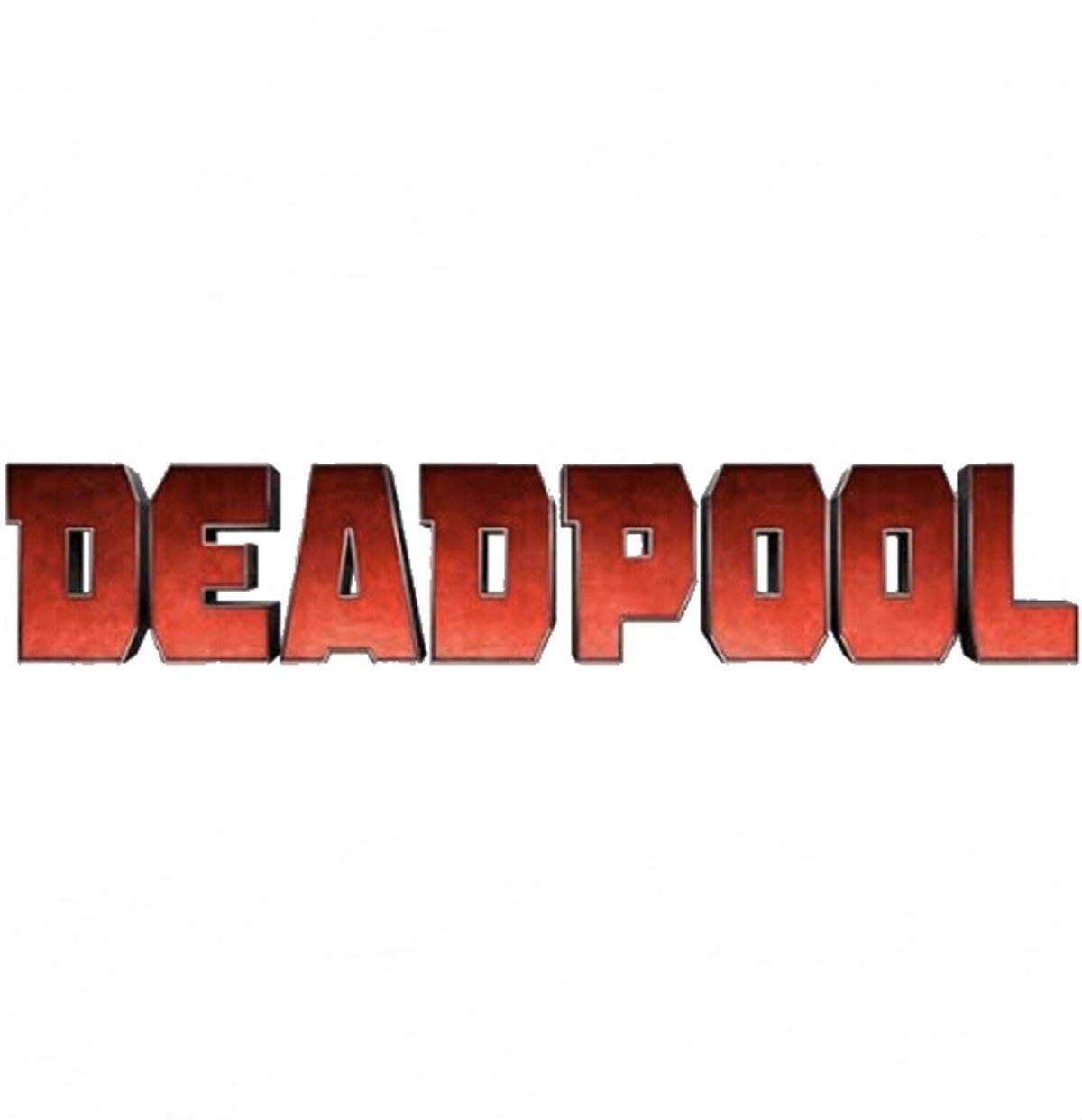
In the vibrant, often chaotic world of comic book anti-heroes, few characters cut through the noise quite like Deadpool. Known for his crimson-and-black suit, katana-wielding prowess, and a motor-mouth that never quits, Wade Wilson doesn't just break the fourth wall—he obliterates it. But beyond the quips and regenerating limbs lies another, often overlooked, layer of his iconic identity: his ever-evolving logo. The History & Evolution of the Deadpool Logo isn't just a tale of design; it’s a narrative of accidental genius, strategic refinement, and the visual branding of pure, unadulterated irreverence.
This isn't merely about tracing lines and colors; it's about understanding how a seemingly simple emblem transformed alongside its character, cementing Deadpool’s place in pop culture history.
At a Glance: Key Milestones in the Deadpool Logo's Journey
- 1990 Debut: Deadpool emerges in "The New Mutants #98" (also "Marvel's comic #98"), initially without a distinct belt buckle symbol.
- Accidental Icon: Artist Mark Brooks unintentionally adds a belt buckle logo, sparking its birth.
- Early 90s: Bold lettering, red and black mirroring the suit; initially criticized, later celebrated for its boldness.
- Late 90s: Subtle updates introduce depth and detail, reflecting evolving comic art.
- Mid-2000s: Aggressive, dynamic typeface with sharp edges and pronounced shadows emerges, signaling a more complex character.
- "Merc with a Mouth" Integration: The famous tagline woven into some logo designs.
- 2016 Cinematic Debut: Refined, sleek, stylized emblem featuring a defined skull and crossed katanas becomes globally recognized.
- Late 2010s Modernization: A sleeker, digital-friendly, minimalist version for versatile platform use.
- Core Elements: Often a ring split into segments with a vertical stripe and white triangles, representing his masked face; later, skull and crossed katanas.
The Unlikely Birth of a Modern Myth: Deadpool's Origin and His Accidental Emblem
Before the logo became a globally recognized symbol of cheeky mayhem, Deadpool himself was born out of a fascinating blend of homage and parody. Created by Fabian Nicieza and Rob Liefeld, he first graced the pages of "Marvel's comic #98" (also known as "The New Mutants #98") in 1990. His initial concept was a direct, humorous jab at DC Comics’ Deathstroke (Slade Wilson), prompting his co-creators to name their character Wade Wilson as an inside joke. An antihero through and through, Deadpool quickly became known for his distinctive red-and-white costume, dual swords, rapid-fire wit, and groundbreaking ability to break the fourth wall, directly addressing his readers.
Yet, despite his immediate visual impact, the nascent Merc with a Mouth didn't arrive with a pre-ordained logo. In fact, his belt buckle, a common spot for character emblems, was initially unremarkable. It was a stroke of serendipity, or perhaps a happy accident, that gave birth to the iconic symbol we know today. Artist Mark Brooks, while refining Deadpool's appearance for an early incarnation, mistakenly included a belt buckle with a logo. This unintentional design choice inadvertently introduced the emblem that would later become synonymous with the character. It’s a testament to the organic nature of comic book creation—sometimes, the most enduring elements are born from an unplanned flourish. This accidental inception highlights how visual branding can sometimes take on a life of its own, evolving from a simple detail into a central pillar of identity. When you Explore the Deadpool logo, you're diving into a history richer than just planned aesthetics.
Early Ink: The 1990s and First Impressions of the Logo
Following its accidental debut, the original Deadpool logo began to take shape, largely mirroring the character’s burgeoning personality. Introduced in the early 1990s, this initial design prominently featured bold, assertive lettering, typically rendered in a stark red and black color scheme. This choice was deliberate, directly reflecting the character's signature crimson-and-black suit, ensuring immediate visual synergy between Wade Wilson and his burgeoning brand.
At first glance, the logo’s directness and aggressive styling weren't universally adored. Some critics found it too forceful, lacking the subtle nuances typically associated with more established comic book emblems. They argued it was perhaps too literal, too in-your-face, much like Deadpool himself. However, what some perceived as a flaw, others soon began to celebrate. This unadorned boldness, far from being a drawback, perfectly encapsulated Deadpool's raw, unpolished, and unapologetically chaotic nature. It wasn’t trying to be elegant; it was trying to be Deadpool.
As the decade progressed, so did comic book art, with a general trend towards more dynamic and detailed illustrations. The late 1990s saw subtle updates to the Deadpool logo, incorporating elements that added depth and refinement without sacrificing its core aggressive spirit. These were not radical overhauls but rather thoughtful tweaks—a bit more dimensionality here, a slight adjustment to the typography there—all aligning with the evolving aesthetic sensibilities of the era. It was during this period that the logo started to shed its "accidental" origins and embrace its role as a deliberate design choice, even if its initial conception was unplanned.
The Turn of the Millennium: Adding Depth and Dynamic to the Merc's Mark
As the 21st century dawned, Deadpool's character arc began to deepen, evolving from a mere assassin to a more complex figure grappling with a chaotic moral compass and an ever-present internal monologue. This evolution demanded a logo that could keep pace, visually communicating his growing depth and increasingly dynamic personality. The mid-2000s ushered in a significant redesign, marking a pivotal point in the logo’s history.
This era’s logo featured a more aggressive and visually dynamic typeface. Designers opted for sharper edges, more pronounced angles, and often incorporated dramatic black shadows that gave the lettering a three-dimensional, almost menacing quality. This wasn't just about aesthetics; it was a deliberate choice to reflect Deadpool’s character development. The logo now mirrored his transformation from a straightforward mercenary into a character known for his unpredictability, his often-dubious ethics, and his undeniable flair for dramatic entrances (and exits).
An important element that found its way into the logo design during this period was the famous "Merc with a Mouth" tagline. Incorporating this phrase into the visual identity wasn't just a marketing ploy; it served to underscore Deadpool’s defining characteristic: his relentless wit and his unparalleled ability to break the fourth wall. This integration ensured that even without seeing the character, the logo communicated his unique brand of humor and self-awareness, reinforcing his status as a truly unique figure in the Marvel universe. This dynamic evolution showcased a growing understanding of how a visual symbol could, and should, mature alongside its narrative counterpart.
Hollywood's Call: The Cinematic Era and Global Recognition
For any comic book character, the leap to the silver screen is a moment of truth, a crucible where years of printed legacy are distilled into a universally accessible package. For Deadpool, his cinematic debut in 2016 wasn't just a success; it was a phenomenon. And with it came the definitive solidification of his logo into a globally recognized emblem of anti-heroic charm.
The 2016 film's logo didn't reinvent the wheel; instead, it masterfully refined and synthesized elements from previous iterations, culminating in a sleek, stylized, and instantly identifiable emblem. The predominant color scheme remained faithful to his comic book roots: red, black, and white, directly mirroring his iconic costume. This consistency was crucial for both new audiences and long-time fans.
However, the cinematic version brought distinct visual elements to the forefront, making them central to the logo’s identity:
- The Skull Symbol: This became a more defined feature, often rendered with an almost cartoonish flair, representing death but with a playful, irreverent twist—a perfect encapsulation of Deadpool’s approach to his violent profession. It’s death with a wink.
- Crossed Katana Swords: Positioned behind the skull, these symbolized his formidable combat skills and his preferred weaponry. Like the skull, they were stylized, adding to the emblem's modern, graphic appeal.
This cinematic logo, with its balanced integration of established motifs and fresh stylization, resonated profoundly with audiences worldwide. It was bold enough to stand out, distinct enough to be memorable, and playful enough to capture the essence of the Merc with a Mouth. It proved that effective branding, when executed thoughtfully, can transform a beloved niche character into a mainstream icon without sacrificing his core identity.
Modern Day Manifestation: Sleeker, Sharper, Digital-Ready
The success of the Deadpool films didn't just boost the character's popularity; it also cemented the need for a logo that was versatile enough to thrive in a digital-first world. The late 2010s saw a further modernization of the Deadpool logo, embracing a sleeker, more digital-friendly version that prioritized minimalist aesthetic for maximum adaptability across various platforms.
This contemporary iteration maintained the inherent boldness and irreverence that defined earlier designs but stripped away any unnecessary clutter. Think crisp lines, simplified forms, and an emphasis on immediate recognition, even at small sizes or on diverse digital interfaces like social media icons, app logos, or merchandise. This minimalist approach ensured the logo could seamlessly transition from a comic book cover to a movie poster, from a video game splash screen to a profile picture, all while retaining its distinct identity.
The evolution reflects a broader trend in branding: the need for emblems that are not only visually striking but also highly functional across a multitude of media. The modern Deadpool logo stands as a prime example of how a brand can adapt to technological shifts and design trends, ensuring its longevity and continued relevance without compromising the character's core spirit. It's about optimizing for impact in an increasingly crowded visual landscape.
Decoding the Emblem: What the Deadpool Logo Truly Represents
Beyond its chronological journey, the Deadpool logo is a masterclass in visual storytelling, packed with meaning that resonates deeply with the character it represents. It’s an iconic and distinctive symbol, often devoid of text elements, relying solely on its powerful visual cues and vibrant hues to communicate.
Let's break down its key components:
- The Ring Structure: Often depicted as a circular or semi-circular emblem, this element provides a sense of enclosure and focus.
- Split Segments and Vertical Stripe: This is perhaps the most clever and recognizable abstraction. The ring is typically split into two segments, often with a central vertical stripe, flanked by white triangles. Together, these elements are a stylized representation of Deadpool’s masked face—the eye slits and the top of his head. It’s an ingenious way to distill the character’s most recognizable facial feature into a simple, graphic form.
- Red, Black, and White Color Scheme: These colors are not arbitrary. They are directly lifted from Deadpool's costume, creating an unbreakable visual link between the character and his emblem. Red signifies his violent nature and passion, black adds a sense of menace and mystery, and white provides stark contrast, highlighting key features and mirroring the white eye sections of his mask.
- The Skull Symbol (Modern Era): As seen in the cinematic logo, the skull is a direct nod to death—a constant companion for Deadpool, given his regenerative abilities and his profession. However, it’s always rendered with a playful, almost cartoonish twist, underscoring his irreverent attitude towards mortality. It's a symbol of death that doesn't take itself too seriously.
- Crossed Katana Swords (Modern Era): These represent Deadpool's primary weapons and his exceptional combat prowess. They are symbols of action, conflict, and his identity as a highly skilled mercenary. Their stylized depiction keeps the logo dynamic and action-oriented.
The logo’s power lies in its ability to condense Deadpool's multifaceted personality—his anti-hero status, his combat skills, his dark humor, his connection to death, and even his iconic mask—into a single, cohesive visual statement. It’s a testament to the idea that a picture truly can be worth a thousand words, especially when those words involve chimichangas and fourth-wall breaks.
More Than Just a Symbol: The Logo as a Narrative Device
The evolution of the Deadpool logo isn't merely a series of aesthetic updates; it’s a living testament to how a visual symbol can mirror, inform, and even drive a character's growth and brand identity. It exemplifies the dynamic relationship between visual design and narrative development.
- Reflecting Character Depth: From its initial bold, aggressive appearance to the mid-2000s’ dynamic typeface reflecting a "chaotic moral compass," the logo has consistently adapted to Deadpool's deepening personality. When he became more than just a mercenary, his emblem gained more layers of meaning and visual complexity.
- Adapting to Audience Expectations: As design trends shifted and audiences' visual literacy grew, the logo gracefully evolved. The late 1990s saw subtle refinements, while the late 2010s embraced a digital-friendly minimalism. This adaptability ensured the logo remained fresh and relevant without ever losing its core essence.
- Embodying the Anti-Hero Spirit: The logo, particularly with its playful skull and stylized mask, perfectly captures Deadpool's unique anti-hero persona. It’s dangerous but fun, serious but irreverent. It embodies the paradox that makes him so compelling.
- Fostering Connection Through Consistency: Despite its numerous changes, the logo has maintained core elements—the red, black, and white, and the abstract representation of his mask. This consistent visual thread has fostered a strong, almost familial, connection with fans, ensuring that even a new iteration feels undeniably "Deadpool."
In essence, the Deadpool logo is a masterclass in brand storytelling. It demonstrates how effective branding can distill a complex character's essence into a globally recognized icon, building a lasting connection with its audience through both consistent visual elements and an evolving narrative. It’s a dynamic emblem, always changing, always adapting, but always, unequivocally, Deadpool.
Crafting Your Own Icon: Lessons from Deadpool's Branding Journey
While you might not be creating the next major comic book character, the journey of the Deadpool logo offers invaluable lessons for anyone looking to build a strong, memorable brand identity.
- Embrace the Accidental, Refine the Essential: Sometimes, the best ideas aren't planned. Be open to "happy accidents" in your creative process, but then rigorously refine those elements to make them intentional and impactful. The Deadpool logo started accidentally but became iconic through careful refinement.
- Mirror Your Brand's Evolution: Your logo isn't static; it should grow with your brand or character. As Deadpool evolved from a simple assassin to a complex anti-hero, his logo reflected that depth. Ensure your visual identity can keep pace with your narrative.
- Prioritize Recognizability Over Perfection: The early Deadpool logo was criticized for being "aggressive." But its boldness made it memorable. Sometimes, a distinctive, slightly imperfect design is more effective than a generic, "perfect" one. Don't be afraid to let your brand's unique personality shine, even if it's unconventional.
- Consistency is Key, but Adaptability is Crucial: Maintain core elements (colors, key shapes) to ensure continuous recognition, but be willing to modernize and adapt for new platforms and audiences. The red, black, and white remained, but the styling adapted for digital spaces.
- Let Your Logo Tell a Story: The skull with a playful twist, the crossed katanas, the abstracted mask—these elements tell you about Deadpool without a single word. What story does your logo tell about your brand's values, mission, or personality?
- Simplicity for Versatility: The modern, minimalist logo proves that simpler designs are often more versatile. They scale better, translate across various media, and remain impactful whether on a billboard or a small app icon.
Frequently Asked Questions About the Deadpool Logo
You’ve got questions about the Merc’s distinctive mark, and we've got answers.
What are the main elements of the modern Deadpool logo?
The modern Deadpool logo typically features a stylized skull (representing his connection to death with a playful twist) and crossed katana swords (symbolizing his combat skills). It's predominantly red, black, and white, mirroring his iconic costume. Earlier, and still prominent, is the abstract representation of his masked face—a ring split into two segments with a vertical stripe and white triangles.
Who designed the original Deadpool logo?
The original belt buckle emblem was actually included by artist Mark Brooks by mistake while refining Deadpool's appearance in the early days. It was an unintentional, happy accident that led to its iconic status.
Why is the Deadpool logo mostly red, black, and white?
The color scheme directly mirrors Deadpool's iconic red-and-white costume, with black often used for contrast and depth. This strong visual link ensures immediate recognition and reinforces his character identity.
Did the Deadpool logo change for his movie appearances?
Yes, the logo underwent a significant refinement for his cinematic debut in 2016. This version solidified the skull and crossed katanas as central elements, making the emblem sleek, stylized, and globally recognizable, building on earlier comic book designs.
What does the abstract circular part of the Deadpool logo represent?
The abstract circular design, often split into segments with a vertical stripe and white triangles, is a stylized representation of Deadpool's masked face—specifically, his eye slits and the top of his head. It’s a clever visual shorthand for his most recognizable feature.
How has the logo reflected Deadpool’s character evolution?
The logo has consistently adapted to Deadpool's growth. Early designs were bold and aggressive, reflecting his initial mercenary persona. Later versions became more dynamic and complex, mirroring his evolution into a chaotic anti-hero with a unique moral compass and fourth-wall-breaking wit, culminating in the playful yet deadly cinematic emblem.
The Enduring Legacy of the Merc's Mark
The journey of the Deadpool logo is more than just a timeline of design changes; it's a vibrant narrative woven into the fabric of comic book history. From an accidental sketch on a belt buckle to a globally recognized emblem of irreverence and anti-heroic charm, the logo has evolved alongside its chaotic, witty, and deeply human character. It stands as a powerful reminder that an effective visual identity is dynamic—it adapts, it refines, and it consistently tells the story of what it represents, even as that story grows and changes.
As Deadpool continues to break barriers, both narrative and cinematic, his logo will undoubtedly continue its own fascinating evolution. It’s not just a symbol; it’s a living, breathing testament to creative agility and the enduring power of a well-crafted brand. Keep an eye on the Merc's mark, for it's bound to surprise and delight us for years to come.