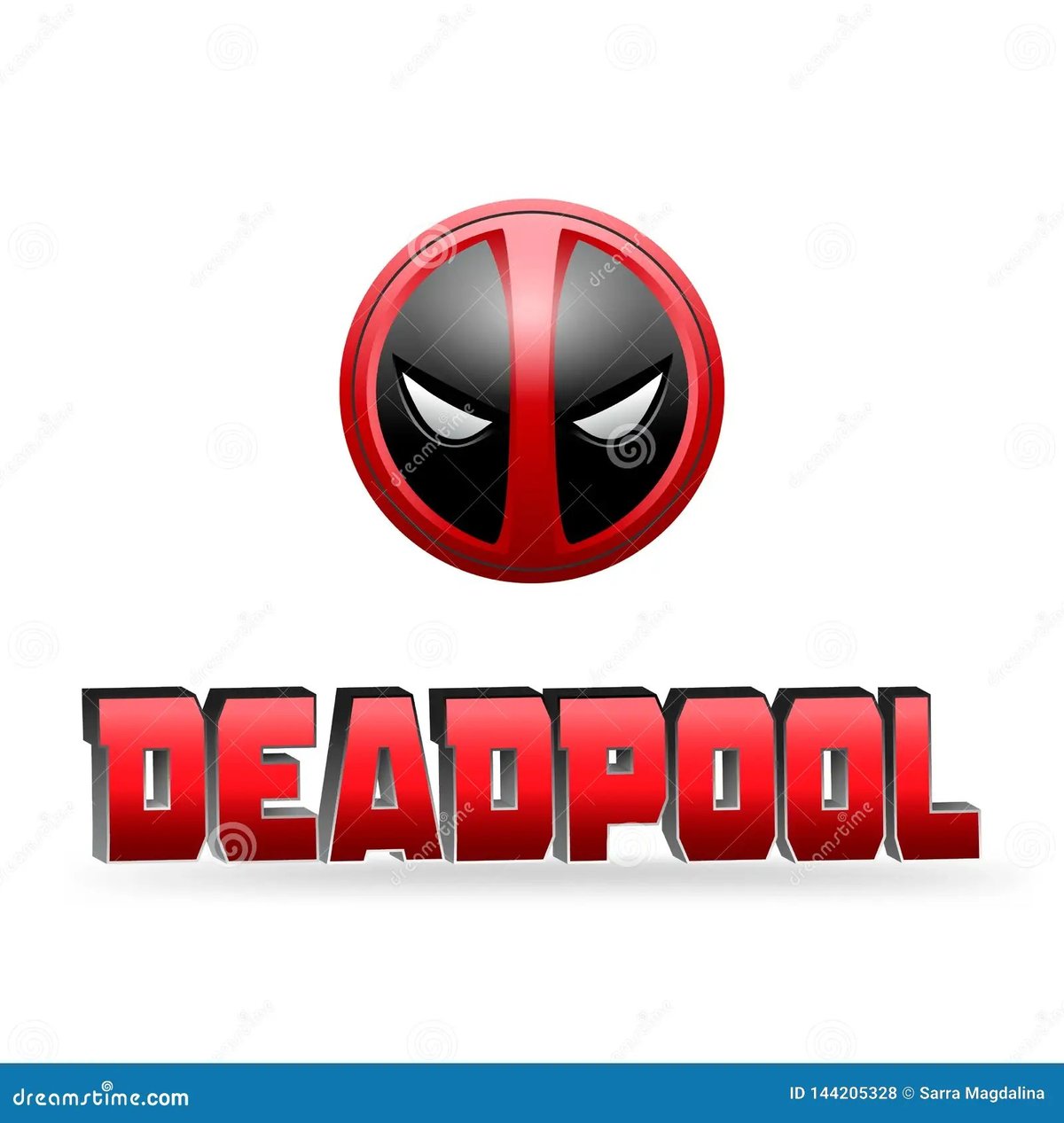
In the chaotic, irreverent world of comic books and blockbuster cinema, few characters command attention quite like Deadpool. Known for his rapid-fire wit, regenerating body, and a penchant for breaking the fourth wall, the Merc with a Mouth has carved a distinctive niche in pop culture. But beneath the snark and explosions lies a meticulously crafted visual identity. Understanding the Official Deadpool Logo Usage & Branding isn't just about slapping a cool symbol on merchandise; it's about respecting the intricate design history, the character's rebellious spirit, and the legal frameworks that protect one of Marvel's most valuable anti-heroes.
This isn't your average, dry branding guide. We're diving deep into the visual language of Deadpool, exploring how his iconic emblem and wordmark came to be, what they represent, and the crucial rules governing their application. Whether you're a designer, a marketer, or simply a die-hard fan curious about the mercenary's visual legacy, consider this your essential dossier.
At a Glance: Decoding Deadpool's Brand Identity
- Core Colors: Predominantly red and black, with white often accentuating the eyes.
- Symbolism: Red signifies passion, audacity, and his suit; black embodies dark humor, rebellion, and stealth.
- Typography: Typically blocky, bold, uppercase, serif-style with squared edges (e.g., similar to "Rogue Hero").
- Key Elements: The distinct "Deadpool" wordmark and the iconic circular symbol (representing his mask/eyes).
- Brand Essence: Humor, irreverence, combat readiness, individuality, breaking norms.
- Ownership: A licensed property of Marvel Entertainment; commercial use without permission is strictly prohibited.
- Pop Culture Impact: A symbol of rebellion, it pushed boundaries in logo design by focusing on character attitude.
Beyond the Fourth Wall: Decoding Deadpool's Brand Persona
Before we dissect the pixels and serifs, let's ground ourselves in the character that inspired it all. Deadpool, alias Wade Wilson, burst onto the scene in Marvel's New Mutants comic in 1990, a creation of Rob Liefeld and Fabian Nicieza. He's a mercenary whose cancer was 'cured' by experimental procedures, leaving him with an accelerated healing factor but also severe scarring and a fractured psyche. What makes Deadpool unique isn't just his superhuman abilities; it's his constant breaking of the fourth wall, directly addressing readers and lampooning the very comic book tropes he inhabits. From supervillain to hero and back again, his identity is fluid, his humor dark, and his antics unforgettable – traits brilliantly captured by Ryan Reynolds in the wildly successful Deadpool movies.
The very name "Deadpool" is born from gallows humor, referencing a prediction game about when someone might die. This foundation of dark levity, combined with audacious action, forms the bedrock of his brand.
The Power of Red and Black: Core Visuals
Deadpool's visual identity is instantly recognizable, thanks to a consistent and impactful color palette. Red and black are his war paint, and they speak volumes:
- Red: This isn't just a color; it's an attitude. It screams passion, audacity, and a fiery, sometimes chaotic, spirit. It's the dominant color of his signature suit, a constant reminder of his bold, unyielding presence.
- Black: Reflecting his dark humor, moral complexities, and rebellious streak, black adds depth and an element of stealth. It's the shadows in which he operates, the cynical undercurrent to his jokes.
- White: Often used sparingly for his distinctive eyes, white provides sharp contrast, drawing focus to the expressive (or sometimes unblinking) windows to his soul.
Complementing these colors is a specific typographical style. Deadpool's associated fonts are typically blocky, bold, and serif-style with sharp, square edges. Think fonts like "Rogue Hero" by Iconian fonts. This reflects his playful yet hard-hitting image – a character who's both a joke and a serious threat, capable of delivering witty one-liners before delivering a devastating blow. This visual consistency ensures that even without the full character, his brand presence is unmistakable.
The Anatomy of a Mercenary's Mark: Unpacking the Deadpool Logo Elements
Deadpool's brand isn't just about color; it's about two distinct, yet complementary, visual elements: his wordmark and his iconic circular symbol. Each has its own story and evolution, contributing to the intricate evolution of the Deadpool logo.
From Hyphen to Icon: The Deadpool Wordmark's Journey
The wordmark – the stylized rendering of the name "Deadpool" – has undergone several iterations, each reflecting the character's growing prominence and the evolving aesthetics of comic book design.
- 1997: The Early Days of "Dead-pool"
Early comic book logos featured a more traditional, hyphenated "Dead-pool" wordmark. It often appeared on two levels, utilizing a blocky, serif-style font. Crucially, these early versions frequently incorporated three-dimensional shadow elements, giving the text depth and presence on the page. While some sans-serif versions popped up, the serif style began to establish itself as core to his identity. - 2008: Unhyphenated and Bold
By 2008, the hyphen disappeared, cementing "Deadpool" as a single, powerful word. This iteration typically presented as a 2-dimensional logo, often in vibrant red. The letters were bold, blocky, and entirely uppercase, maintaining the squared serifs that had become a hallmark. This simplified, impactful design increased readability and immediate recognition. - 202013: Reintroducing Depth
Three-dimensional elements made a strong comeback around 2013. The logo used clever combinations of grey and black components to create an upward-looking, almost chiseled effect. This added a sense of gravitas and realism, suggesting the character was emerging from the page. - 2019: Accessorizing the 'D'
More recent comic versions have shown playful additions, such as a gold crown adorning the "D" in Deadpool. These thematic tweaks maintained the established 2-dimensional effect with blocky, bold serifs but demonstrated the brand's flexibility for special editions or story arcs, always while staying true to the core aesthetic. - Movie Logos: Big Screen Presence
The film title cards for Deadpool and Deadpool 2 leveraged this established visual language. They continued to use similar blocky, serif fonts, imbued with a three-dimensional essence that resonated with the character's larger-than-life cinematic presence. The Deadpool 2 logo, for instance, subtly inverted the shadow effects and often used a brighter, more aggressive red, demonstrating how slight variations can refresh a familiar look. Movie title cards sometimes integrated the circular Deadpool symbol, creating a holistic visual package.
The Cheeky Skull: Unraveling the Deadpool Symbol
Perhaps even more iconic than the wordmark is the circular Deadpool symbol. This red disc, featuring two white shapes separated by a red line, is unmistakably his. It's often interpreted as a stylized skull or, more commonly, a representation of his mask and eyes.
Interestingly, this symbol wasn't present from Deadpool's earliest appearances. Its origin is a fantastic example of creative serendipity. The symbol was eventually created based on the buckle of Deadpool's suit. An artist, not fully recalling the exact design of the buckle, inadvertently created the distinctive symbol we know today. This happy accident became a cornerstone of his brand identity.
This symbol is more than just a cool design; it's a visual shorthand for everything Deadpool stands for:
- His Mask Design: It directly references his masked face, a central element of his persona.
- Daredevil Attitude: The bold, stark lines suggest a confrontational, unapologetic stance.
- Humor: The "eyes" often convey a playful, almost mischievous quality, hinting at his comedic nature.
- Readiness for Combat: The compact, shield-like shape implies a readiness for action and conflict.
This symbol, along with the evolving wordmark, embodies a philosophy that has had a profound impact on the comic book industry. It moved away from conventional letter or animal symbols to a "face" or "attitude," ushering in a new age of complex logo design that prioritizes character essence over generic representation. A deeper dive into Deadpool’s brand visuals reveals how this visual shorthand has become an instantly recognizable pop culture icon, symbolizing rebellion and individuality.
Navigating the Licensing Labyrinth: Official Usage & Permissions
Here's where the fun stops and the legal realities kick in. Deadpool, his logo, and all associated branding are valuable intellectual property.
Why Permissions Matter: Marvel's Ownership
The Deadpool logo, along with his entire brand identity, is a licensed property of Marvel Entertainment. It wasn't the creation of one specific person but rather an outcome of the collective creative efforts behind the Marvel Comics brand. This means that using the Deadpool logo or any of his other brand assets for commercial purposes without explicit permission from Marvel Entertainment is strictly prohibited.
Ignoring this isn't just a minor oversight; it's intellectual property infringement, which can lead to significant legal consequences, including cease and desist orders, lawsuits, and substantial financial penalties. Marvel vigilantly protects its characters and their associated branding, and for good reason: these assets represent decades of creative investment and billions in revenue.
The Do's and Don'ts of Commercial Use
If you're considering using the Deadpool logo or branding for anything beyond personal, non-commercial fan art (which generally falls under fair use guidelines, though even that can be nuanced), here's what you need to know:
- DO NOT use the logo on products you intend to sell (t-shirts, mugs, prints, digital products, etc.) without a formal licensing agreement.
- DO NOT incorporate the logo into your business's branding, marketing materials, or website if your business isn't officially licensed by Marvel.
- DO NOT modify the logo significantly and claim it as your own to bypass licensing. This is still infringement.
- DO understand that fan art, shared purely for non-commercial enjoyment among fans, generally operates in a grey area, but even then, refrain from implying official endorsement.
- DO pursue official licensing if you have a legitimate commercial project in mind. This typically involves contacting Marvel's licensing department or one of their authorized agents. Be prepared for a rigorous application process and potentially significant licensing fees.
Understanding Licensed Merchandise
For consumers, spotting officially licensed Deadpool merchandise is usually straightforward. Look for:
- Official Marvel Logos: Licensed products will almost always feature a Marvel Entertainment or Marvel Studios logo somewhere on the packaging or tag.
- Copyright Notices: A small copyright notice (e.g., "© Marvel") is a strong indicator of authenticity.
- Quality: While not always foolproof, official merchandise generally adheres to higher quality standards in materials and printing.
When you purchase officially licensed products, you're not just getting a piece of merchandise; you're supporting the creators and the continued development of the character you love, and you can be confident that this iconic visual identifier is being used appropriately.
Branding Like the Merc with a Mouth: Best Practices for Authentic Deadpool Integration
For those fortunate enough to secure a license or involved in internal Marvel projects, maintaining the integrity of the Deadpool brand is paramount. It's about more than just legal compliance; it's about respecting the character's essence.
Maintaining Character Integrity
Deadpool's brand isn't just visual; it's deeply tied to his personality. Any usage should reflect:
- His Tone: Witty, sarcastic, self-aware, irreverent, and often breaking the fourth wall.
- His Humor: Dark, sometimes crude, but always clever.
- His Audacity: He's bold, fearless, and doesn't conform.
- His Anti-Hero Status: He's not always good, but he's rarely boring.
Misrepresenting these core traits can dilute the brand's power, making it feel inauthentic. For example, a product using the Deadpool logo in a saccharine or overly wholesome context would likely miss the mark entirely.
Visual Consistency: Color, Typography, and Layout
Adhering to the established visual language is crucial for strong brand recognition:
- Colors: Stick to the core red, black, and white palette. While minor variations for artistic effect are sometimes seen in comics, commercial applications should largely hew to the established tones.
- Typography: When using text alongside the logo, choose fonts that complement the blocky, squared-serif style of the Deadpool wordmark. Avoid overly sleek, delicate, or childish fonts that would clash with his hard-edged persona.
- Layout: Give the logo breathing room. Don't crowd it with other elements that detract from its impact. Ensure it's legible and impactful, even at smaller sizes. The circular symbol, in particular, is designed for immediate impact and should be treated as a focal point.
Adapting the Brand: Thematic Variants and Special Editions
While consistency is key, the Deadpool brand does allow for creative adaptation, particularly in comic books or special editions. As noted in the logo's history, variants with alternate color palettes or thematic tweaks (like the gold crown on the 'D') do appear.
- Core Remains Consistent: Even with variants, the fundamental "cheeky skull motif" of the symbol and the blocky, bold nature of the wordmark remain consistent. These foundational elements are non-negotiable.
- Thematic Relevance: Any alteration should be purposeful and tied to a specific story arc, event, or limited edition. It shouldn't be random or arbitrary. For example, a "cosmic Deadpool" might feature a different color scheme, but the underlying shapes would be preserved.
- Marvel Approval: Any thematic variant intended for commercial use would still require explicit approval from Marvel to ensure it aligns with overall brand strategy and doesn't dilute the core identity.
Pitfalls to Avoid
- Dilution: Overuse or using the logo in contexts that don't align with the character can weaken its impact.
- Misrepresentation: Portraying Deadpool in a way that goes against his established character (e.g., making him overly serious or completely wholesome) is a disservice to the brand.
- Legal Infringement: As reiterated, unauthorized commercial use is the biggest pitfall and carries severe legal risks.
- Poor Quality Reproduction: Using low-resolution images or poorly printed versions of the logo reflects poorly on both the product and the brand itself.
Deadpool's Enduring Legacy: Impact on Pop Culture and Design
Deadpool's branding extends far beyond mere identification; it's a cultural phenomenon that has impacted how we perceive characters and their visual representations.
Breaking the Mold: A New Age of Complex Logo Design
Historically, many superhero logos relied on simple letters (Superman's 'S'), animal motifs (Batman's bat), or generic symbols. Deadpool's approach, particularly with his mask-like symbol, was a significant departure. By creating a logo that essentially functions as a "face" or encapsulates an "attitude," he ushered in a new age of complex logo design. This allowed for greater nuance and personality to be embedded directly into a character's emblem, providing a visual shorthand that communicates volumes without needing the full character illustration. It perfectly encapsulates his humor and edge, making it a masterclass in modern character branding.
The Symbol of Rebellion and Individuality
The consistent design of the Deadpool logo has solidified its place as a pop culture icon. It has come to symbolize more than just Wade Wilson; it represents rebellion, individuality, and a refusal to conform. It resonates with audiences who appreciate its anti-establishment stance, its willingness to poke fun at sacred cows, and its unapologetic uniqueness. This makes the complete history and design nuances of Deadpool’s emblem a fascinating study in character development and market impact.
Why His Brand Resonates
The Deadpool brand resonates because it is authentic. From the dark humor of his name to the audacious red and black palette, every element consistently reinforces his persona. His logo isn't just a mark; it's a cheeky wink, a symbol of playful chaos, and a promise of irreverent entertainment. This consistency across all touchpoints – from comics to movies to merchandise – has built an incredibly strong and recognizable brand that stands out in a crowded superhero landscape.
Your Burning Questions Answered: Deadpool Branding FAQs
Navigating the nuances of character branding can raise a lot of questions. Here are some common ones related to Deadpool's logo and usage:
Q: Who designed the Deadpool logo?
A: The Deadpool logo, like many Marvel brand assets, was an outcome of collective creative efforts within Marvel Comics and is not attributed to one specific person. The iconic circular symbol specifically evolved from an artist's interpretation of a suit buckle.
Q: Can I use the Deadpool logo for my fan art or small business?
A: You can generally create fan art for personal, non-commercial enjoyment (e.g., sharing on social media without selling). However, using the Deadpool logo for any commercial purpose, including on products for a small business, requires official licensing and permission from Marvel Entertainment. Unauthorized commercial use is intellectual property infringement.
Q: What are the official colors of Deadpool?
A: The official and most prominent colors associated with Deadpool are red and black, often accented with white for details like his eyes. Red symbolizes his suit and audacious spirit, while black represents his dark humor and rebellious nature.
Q: What fonts are similar to the Deadpool logo?
A: The typography associated with the Deadpool wordmark is typically blocky, bold, uppercase, and serif-style with square edges. Fonts like "Rogue Hero" by Iconian fonts share a similar aesthetic, reflecting his playful yet hard image.
Q: How has the logo changed over time?
A: The Deadpool wordmark has evolved from an early hyphenated, 3D blocky serif style (1997) to a 2D unhyphenated bold serif (2008), then reintroduced 3D elements (2013), and even seen playful additions like a crown on the 'D' (2019). The circular symbol, created later, has remained largely consistent in its core design since its inception.
Beyond the Branding Guide: Your Next Steps with the Mercenary's Mark
Understanding the Official Deadpool Logo Usage & Branding is truly a deep dive into the intersection of creativity, commerce, and character. From the subtle evolution of his wordmark to the accidental genius behind his iconic symbol, every element tells a story of a brand that dares to be different.
For fans, this insight deepens your appreciation for the meticulous thought behind your favorite anti-hero's visual identity. For creators and businesses, it's a stark reminder of the value of intellectual property and the importance of official channels. Deadpool may break the fourth wall, but he doesn't break the law—and neither should anyone using his highly valuable brand assets. Respecting the brand's guidelines ensures that the Merc with a Mouth continues his unique legacy, unburdened by legal squabbles, and always ready for his next sarcastic quip. If you’re looking to truly master the art of character branding, there's always more to learn from All about the Deadpool logo.